
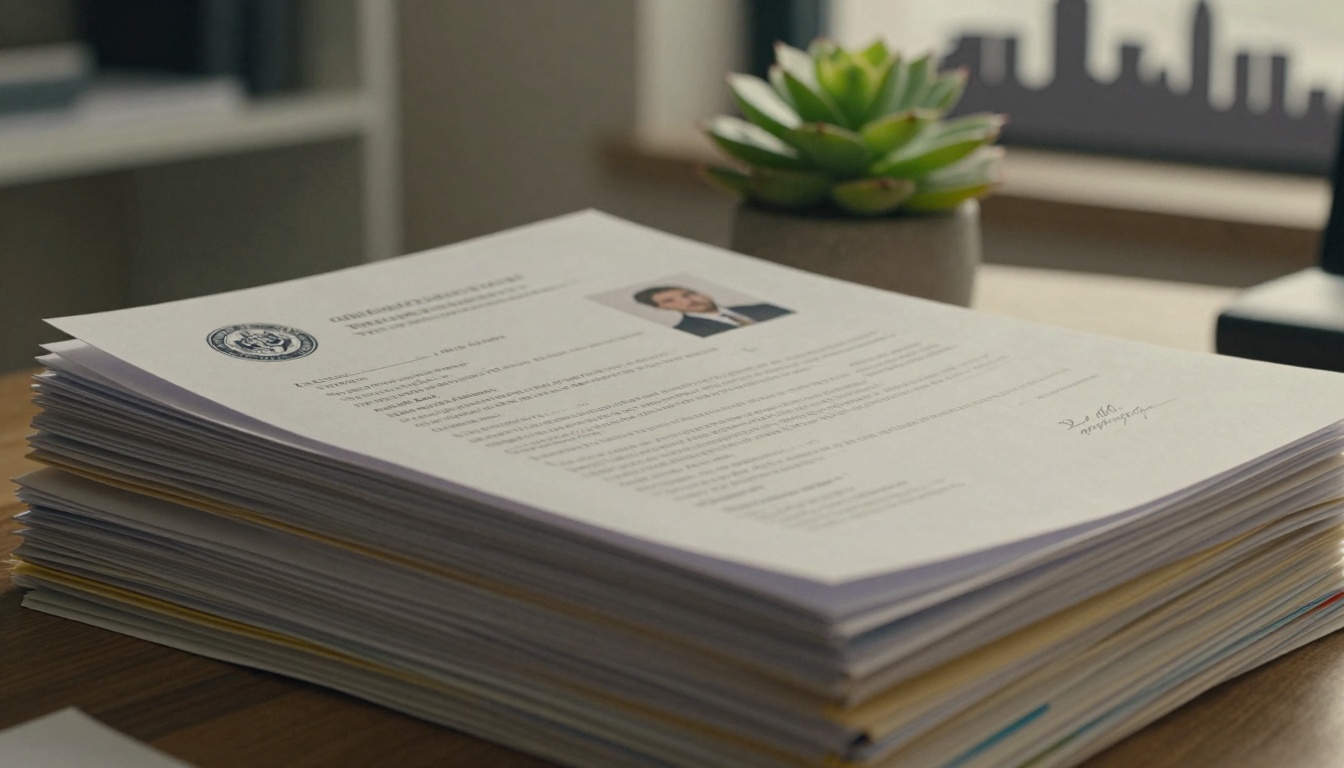
Each year, thousands of Nigerian students chase dreams overseas. Over 70,000 Nigerians study abroad, with spots in top schools filling fast. The process feels like a puzzle, but you can solve it with the right pieces. This guide lists key documents to submit. It helps you avoid common pitfalls and speed up your application. From the US to Canada, the UK, and Germany, rules have gone digital. Old paper trails won’t cut it anymore. Get ready to build a strong file that stands out.
Core Academic Documentation: Proof of Eligibility
Your academic records form the base of any study abroad application. Universities need clear proof that you meet their standards. Without these, your file goes nowhere.
Official Transcripts and Certificates
Transcripts show your grades and courses. For undergrads, start with WAEC or NECO results. These prove that you finished secondary school. Grad students need degree transcripts from their Nigerian university.
Most schools require attested copies. That means your institution stamps them as real. In Nigeria, places like UNILAG or ABU often take weeks to release them. Delays happen if you wait till the last minute.
Order at least three certified copies now. Keep one for your records. Send originals where needed. This step saves headaches later. For example, a student from Lagos once missed a deadline because her transcript took two months.
Standardised Test Scores
Tests check your skills in English or subjects. Undergrads often take the SAT or ACT for US and UK programs. Grads face the GRE for most fields, or the GMAT for business.
English tests like TOEFL or IELTS are must everywhere English is spoken. Check the TOEFL requirement for a Canadian study permit it’s usually 80 or higher. GMAT waiver policies for Nigerian MBA applicants exist at some schools if you have work experience.
Register early for these exams. Scores expire after two years. Send them directly from the test centre to your chosen university. This keeps things official and fast.
Aim for practice sessions. Many Nigerians score well with online prep. Your results must arrive before deadlines to keep your spot.
Letters of Recommendation (LORs)
LORs let others vouch for you. Academics come from teachers or professors who know your work. Pros come from bosses if you have a job.
Pick people who can highlight your strengths. Give them your resume and program details. Ask three months ahead. They need time to write strong letters.
Schools like direct submission. Referees upload them online. This stops fakes. For instance, Harvard prefers this method for all apps. Your LORs should tie to why you fit the program.
Financial Stability Proof: Demonstrating Capacity to Study
Visa officers check if you can pay. Empty pockets mean rejection. Show real funds to cover costs.
Bank Statements and Financial Sponsorship Letters
Bank statements prove your money situation. Most countries want six months of records. Funds must cover tuition and living think $20,000 for a year in Canada.
IRCC in Canada sets rules. You need CAD 20,635 for living plus tuition. UKVI asks for GBP 1,334 monthly in London. Statements should show steady balances, not loans at the end.
If family sponsors you, get their letter. It must list amounts and ties to you. Notarise it for trust. A Lagos parent once helped their child with clear documents visa approved in weeks.
Scholarship or Funding Documentation (If Applicable)
Scholarships ease the load. If you win one, submit the award letter. It comes from bodies like TETFUND or school funds.
Private grants need proof, too. Show how much and when it pays out. If funds come later, include a timeline letter.
This boosts your app. Universities see you’re serious. One Nigerian got full funding for a UK master’s—her docs sealed the deal. Apply for aid early; spots fill quickly.
Identity and Personal Documentation Requirements
These basics confirm who you are. Miss them, and your app stalls.
Valid International Passport
You need a passport to travel. It must last six months past your study end date. For US visas, aim for 10-year validity if possible.
In Nigeria, renewals at passport offices take time. Lines are long, so book ahead. Search “passport renewal timelines in Nigeria” for tips; processing hits four weeks now.
Scan your pages clearly. Some countries want bio pages only. Keep it safe; it’s your key to the world.
Proof of Acceptance (Offer Letter)
An offer letter means a school wants you. Conditional ones note steps like test scores. Unconditional ones confirm you’re in.
Visa apps need the full version. In the UK, it’s the Confirmation of Acceptance for Studies (CAS). Canada uses similar e-docs.
Print and save emails. Changes happen, so check portals often. A conditional letter turned unconditional helped an undergrad from Abuja get her F-1 visa.
Passport Photographs and Biometric Data
Photos must match the rules. US visas want 2×2 inches, white background, neutral face. Schengen asks 35×45 mm, light blue back.
Take them at approved spots in Nigeria. Smiling too much or hats? No go. Biometrics come later at embassies, fingerprints and photos.
Prep multiples. One set per app stage. This small step avoids big delays.
Visa-Specific Documentation and Compliance
Visas decide if you go. Tailor docs to the country.
Statement of Purpose (SOP) / Letter of Motivation
Your SOP tells your story. Cover why this program, your background, and plans back home. Showing you’ll return jobs or family ties helps.
Structure it: intro, body, close. Keep it one to two pages. Tailor to the school; generic ones flop.
Address visa doubts. Like, “I’ll use this degree to boost Nigeria’s tech sector.” One student crafted hers around family business, the visa officer nodded yes.
Medical Examination Reports and Police Clearance Certificate (PCC)
Health checks spot issues. Canada often requires them early. Use the panel doctors listed on embassy sites.
In Nigeria, clinics like those in Ikeja handle this. Get your PCC from the police too. It shows no crimes.
Submit after offer, but plan ahead. Tests cost, and waits vary. Clear health opens doors wide.
Study Plan and Itinerary Documentation
Undergrads need this more. Outline your course path and stays. Europe likes details on housing and flights.
Book tentative tickets. Show return plans to prove short stay. Master’s apps skip it often, but add if asked.
This paints a clear picture. A Berlin-bound student included hostel bookings—her app sailed through.
Conclusion: Finalizing Your Study Abroad Application File
You now have the full checklist. From transcripts to SOPs, each doc matters. Organize them digitally—scan everything crisp and label files.
Always hit embassy sites for updates. Rules shift, like new fund proofs in 2025. Start 9-12 months early to beat rushes.
Take action today. Gather what you can. Your global adventure waits—make that file shine. With these steps, you’ll join the ranks of successful Nigerian scholars abroad.